
Menu software comparisons
aiMenuu vs Menutech: Which Restaurant Menu Workflow Fits?
Compare aiMenuu and Menutech by source intake, mobile publishing, print menus, allergen data, translations, approvals and ongoing restaurant operations.
aiMenuu Editorial Team · October 27, 2026 · 9 min read
aiMenuu and Menutech both help restaurants manage guest-facing menu information, but they begin from different operating jobs. aiMenuu focuses on turning existing menu material into an editable mobile menu; Menutech presents a broader food-and-beverage menu system with design, recipe, allergen, translation and multi-output capabilities.
Quick answer: mobile publishing or broader menu operations
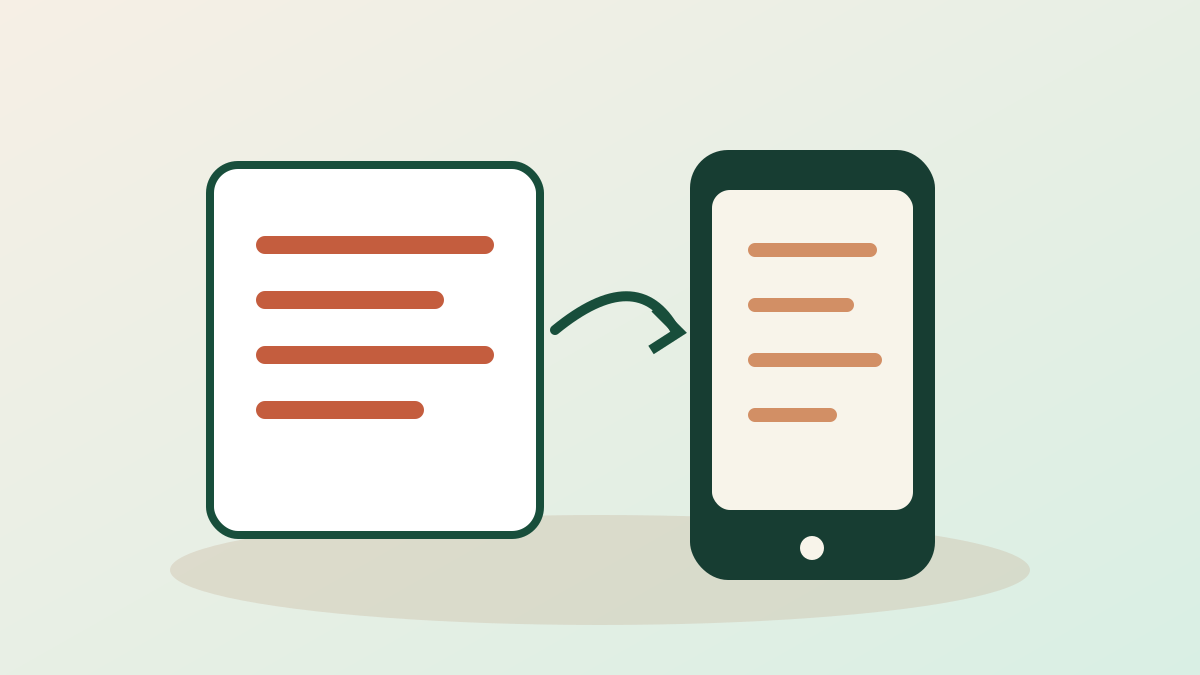
Choose aiMenuu when the main job is turning an existing PDF or menu photographs into editable content and publishing a focused mobile guest experience through an AI menu maker. Choose Menutech when the restaurant needs a wider menu-management system that may include reusable dish data, allergens, translations, nutrition, recipes, printed menus and other operational outputs.
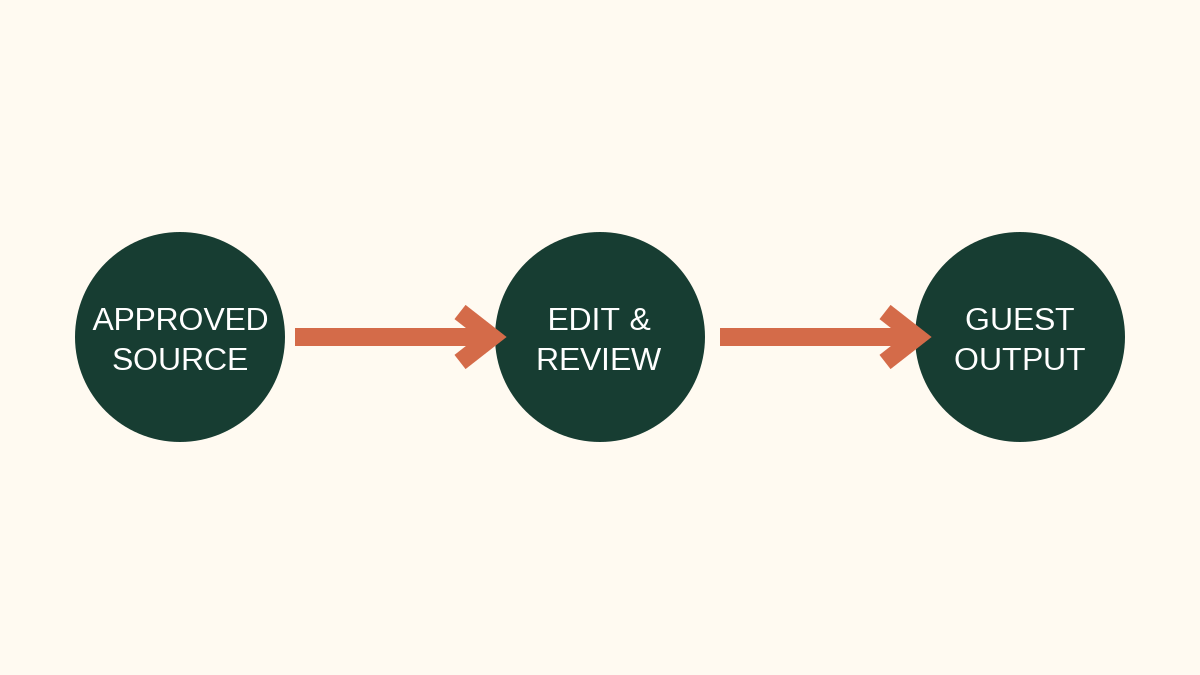
Neither product can approve a price, dietary statement or translation on the restaurant’s behalf. Treat extraction, autocomplete and AI suggestions as drafts. A named menu owner should compare every release with the approved source and verify the public result before service.
The right comparison is therefore a workflow test, not a feature-count contest. Use one difficult real menu, assign the same reviewer and measure corrections, publishing steps and ongoing maintenance.
Define the source of truth before importing
Choose one approved source document and label it with a date and owner. Include long dish names, modifiers, accented characters, price ranges, dietary notes and at least one unavailable item. If different teams currently keep competing spreadsheets or PDFs, resolve that conflict before testing software.
aiMenuu is designed to extract existing menu material into structured editable content. This can reduce retyping, but layout cues in photographs and PDFs can be ambiguous. Check category boundaries, item-description relationships, currencies and repeated headers line by line.
Menutech’s public materials describe a food-and-beverage database that can support dish writing, recipes, allergens, translations and repeated menu creation. That breadth is useful only when the organization has people responsible for maintaining the underlying information.
Compare the guest destination
Open the aiMenuu result on a real phone. Test category navigation, type size, price alignment, long descriptions, image loading and the QR route. The public page should work for a guest who is not signed in and should not require ordering or payment to read the menu.
For Menutech, produce the exact output the restaurant expects to use, such as a printed menu, a website integration or another supported channel. Confirm which outputs share the same approved data and which need a separate publishing step.
Do not assume that one edit reaches every destination. Keep an inventory of QR codes, website pages, printed files, lobby displays and third-party listings. The guide to updating a QR menu without reprinting explains why the destination URL and content release should be managed separately.
Treat allergen and translation features as governed data
Menutech emphasizes allergen, nutrition and translation capabilities. These can support teams handling complex menu information, but automation does not remove legal or operational responsibility. Confirm the jurisdiction, required declarations, ingredient data, cross-contact process and staff approval route.
For either platform, separate customer-facing descriptions from regulated or safety-critical information. A pleasant rewrite must never silently change an ingredient, allergen or dietary claim. Use qualified review and preserve the approved source for every release.
Translations should be checked by someone who understands the cuisine and the target language. Literal translation can misdescribe preparation methods, branded ingredients or culturally specific dishes. Record who approved each language version.

Measure correction and release work
Run the same controlled change in both products: update one price, retire one item, add one dish and correct one description. Record where the edit begins, how previews work, who can approve it and how the team confirms publication.
Use a short change log with old value, new value, source, effective service, editor, approver, destinations and verifier. Our restaurant menu change-log workflow provides a practical model that works regardless of software.
Count the work after generation. A quick import may create many subtle corrections; a detailed database may require more setup but reduce repeated work later. Compare the complete maintained month, not the first ten minutes.
Compare design flexibility with consistency
Menutech advertises customizable menu styles and print-oriented outputs. Test the restaurant’s actual hierarchy, longest items and brand elements rather than a polished sample. Confirm that staff can reproduce an approved template without creating inconsistent variations.
aiMenuu’s narrower mobile context may make the visual system easier to govern. Define category order, image rules, description length, currency formatting and spacing. A constrained system can be helpful when several employees update content.
Review both at the size guests will use. Print a proof and inspect it under restaurant lighting. Test the mobile menu on a small screen and slower connection. An editor canvas is not the final product.
Compare current pricing by the maintained workflow
Menutech publishes plan tiers based on menu volume and capabilities, and those details can change. aiMenuu’s current offer should likewise be checked at the decision date. Do not compare only headline monthly prices.
Include setup, template work, data cleaning, translation review, printing, integrations, staff training and the hours required for routine updates. A broad system can be economical when the restaurant uses its data functions; it can be excessive for one stable mobile menu.
Run a small pilot before committing multiple locations. Capture the plan name, date, included outputs, limits and cancellation terms. Recheck the official pages before purchase rather than relying on an old comparison article.
A fair 60-minute comparison test
Prepare a two-page source menu with six categories and deliberately difficult content. Import or build it in both products without simplifying the source. Correct every discrepancy and record the time.
Publish or export a non-promoted test result. Ask a staff member who did not build it to find three dishes, explain the prices and identify one dietary note. Then apply the controlled four-change release and verify every destination.
Use the scorecard for source accuracy, correction effort, mobile readability, print quality, allergen governance, translation review, approval clarity, output coverage, cost and maintenance. Weight only the capabilities the restaurant will actually use.

Final recommendation
aiMenuu is the clearer candidate when a restaurant wants a focused path from existing source material to an editable mobile menu and accepts human proofreading as part of publishing. Menutech is the clearer candidate when a team needs a broader menu-data workflow across recipes, allergens, translations, templates and repeated outputs.
For a single location, simplicity may outweigh breadth. For a group producing many menus, structured data and governance may justify additional setup. The software should match the operating model rather than forcing the restaurant to maintain unused channels.
Whichever product you choose, keep one approved source, assign an owner, log changes and verify the real guest experience after every release.
Frequently asked questions
Is aiMenuu the same type of product as Menutech?
They overlap in menu creation, but aiMenuu focuses on importing existing material and publishing a mobile menu, while Menutech presents a broader menu-management system with food-data and multi-output capabilities.
Which is better for a QR menu?
Test the public mobile result, stable destination and update workflow with your real menu. aiMenuu is designed around that focused use case; Menutech may fit teams that also require other managed outputs.
Can either product guarantee allergen accuracy?
No. Restaurants need verified ingredient information, an appropriate cross-contact process and qualified review under applicable rules.
How should I compare price?
Use current official offers and include setup, data work, integrations, printing, translation review, staff time and ongoing maintenance.